June 25, 2025 | Posted in Made by Hand | No Comments.
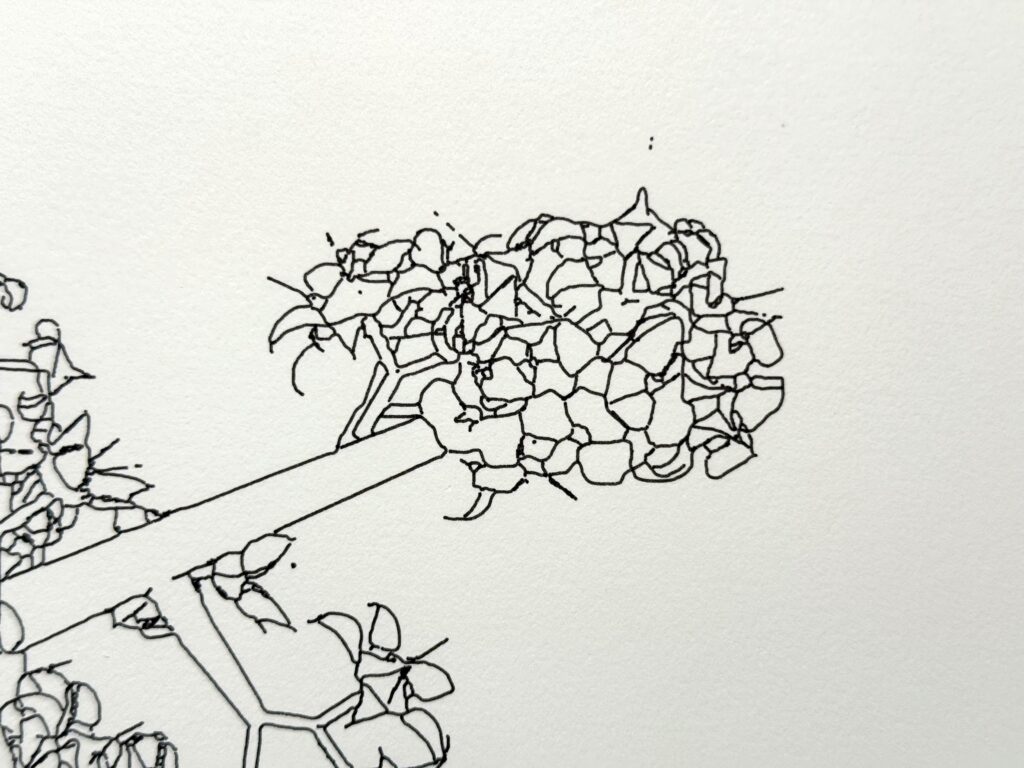
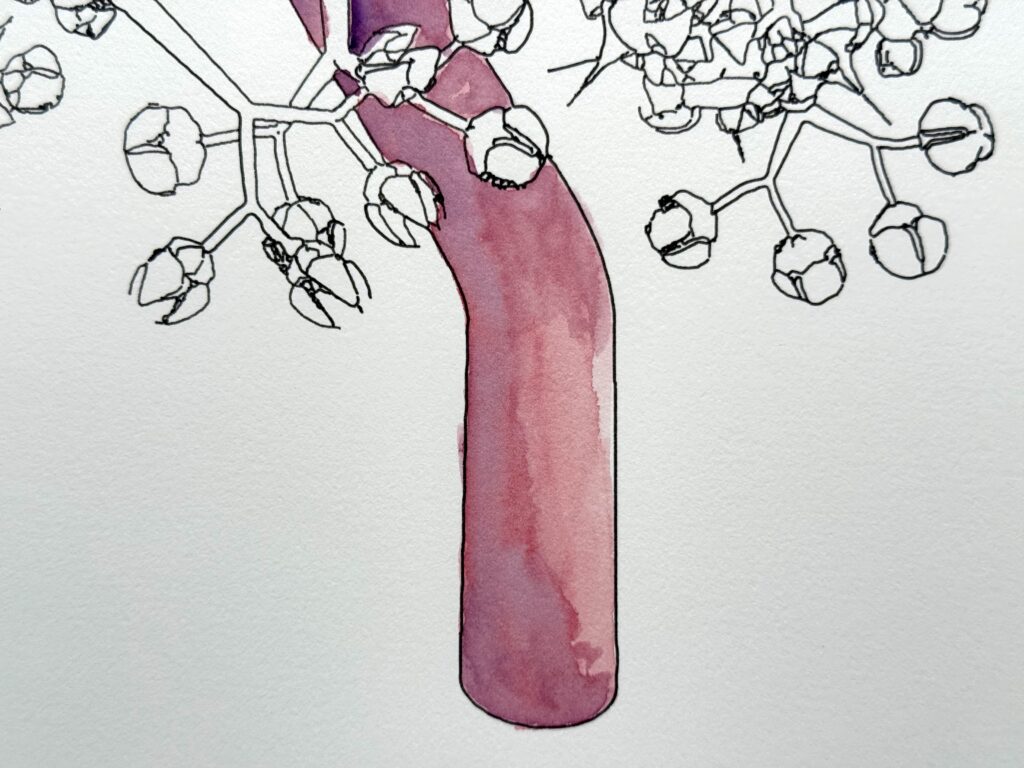
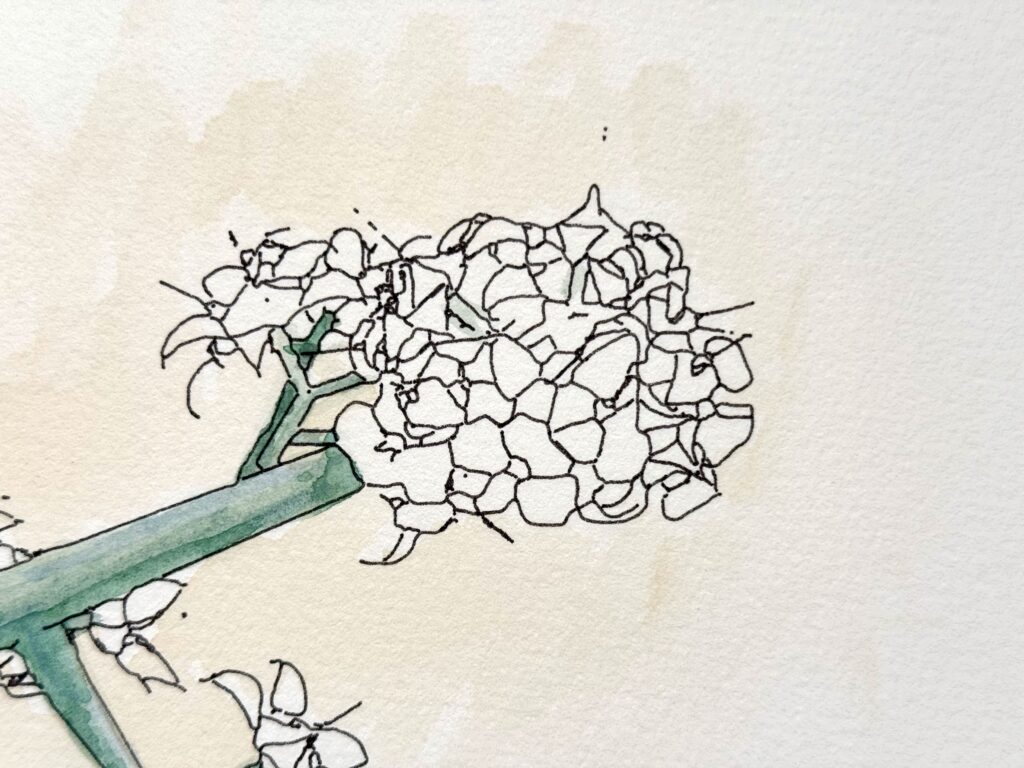
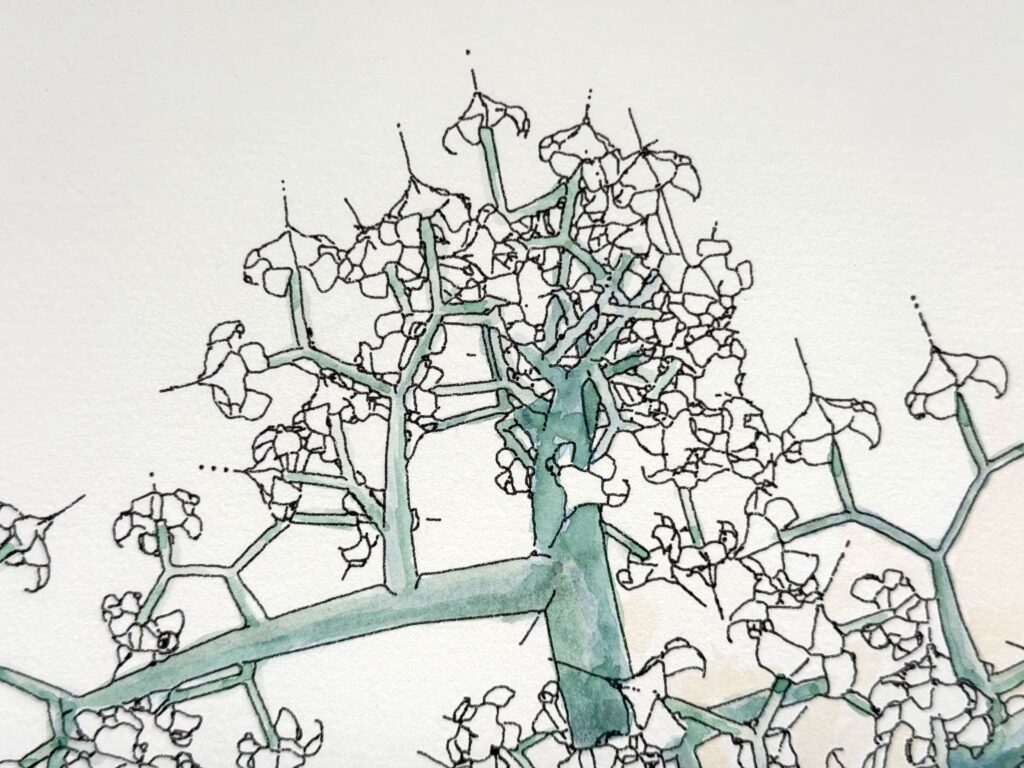
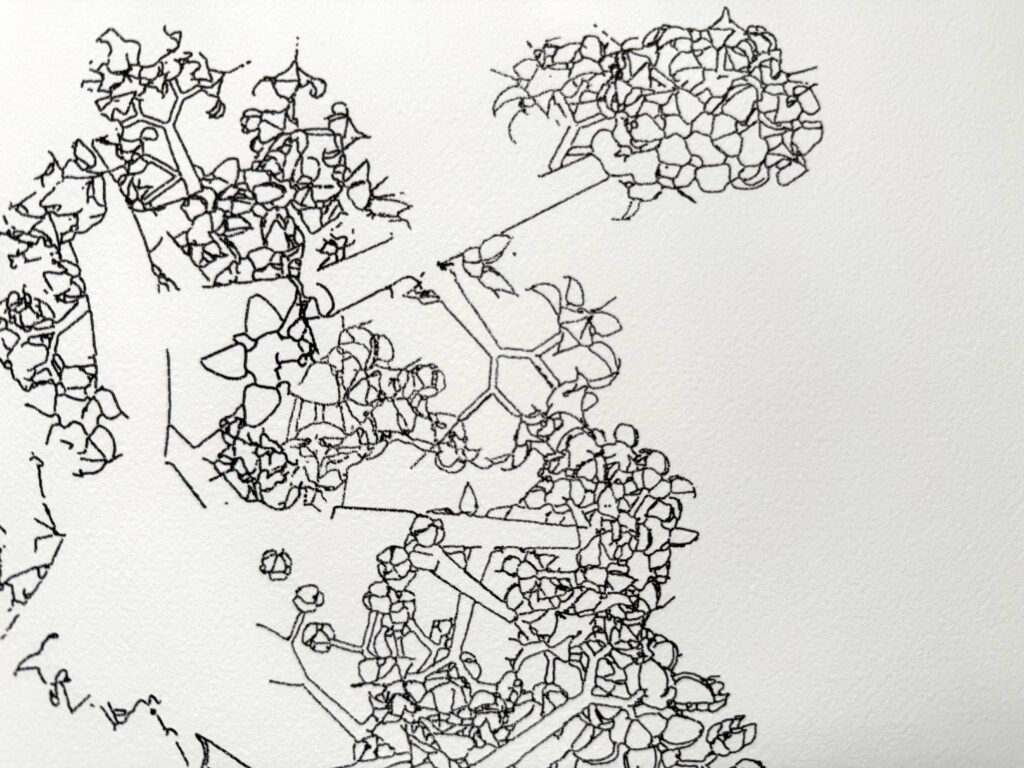
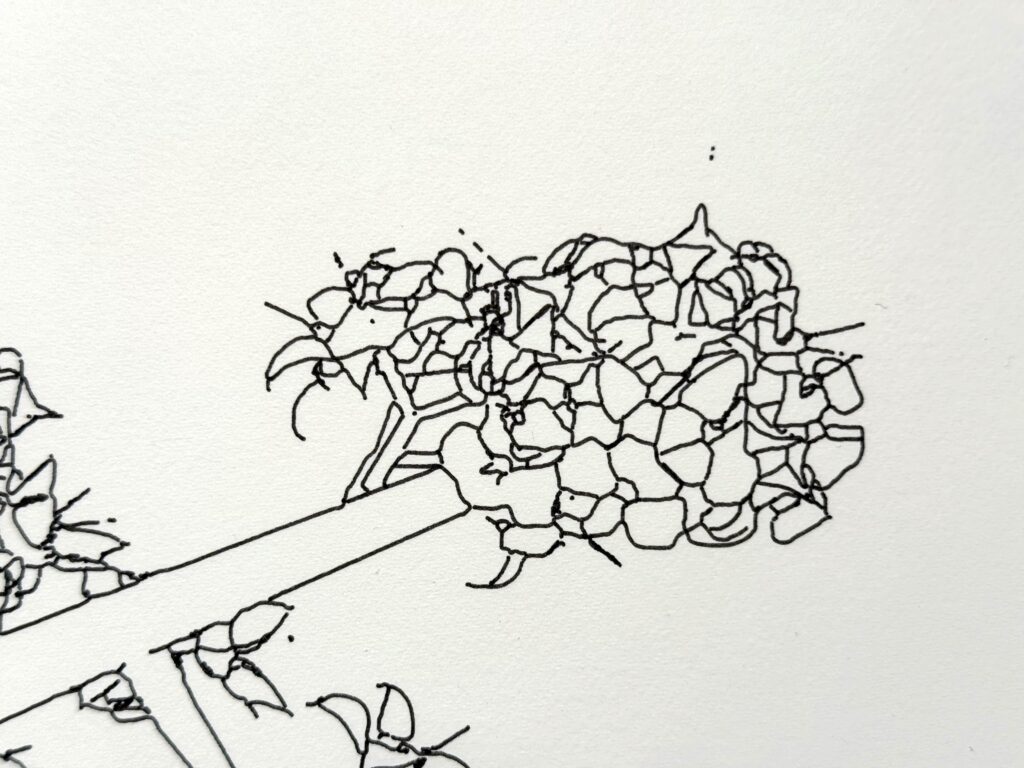
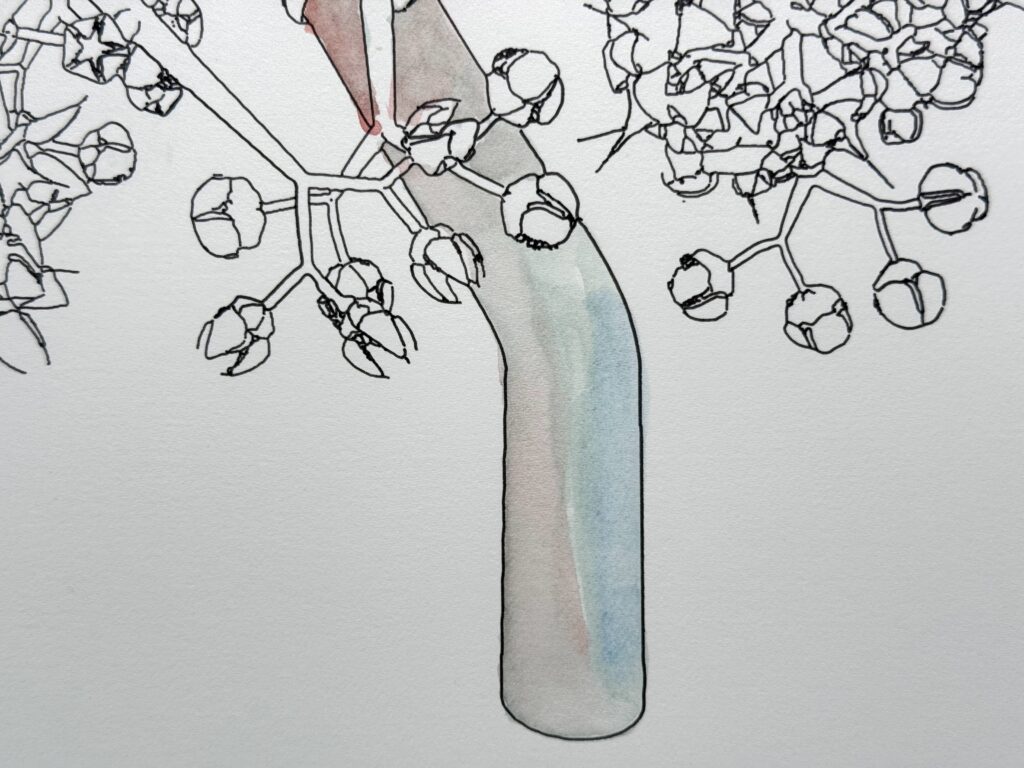
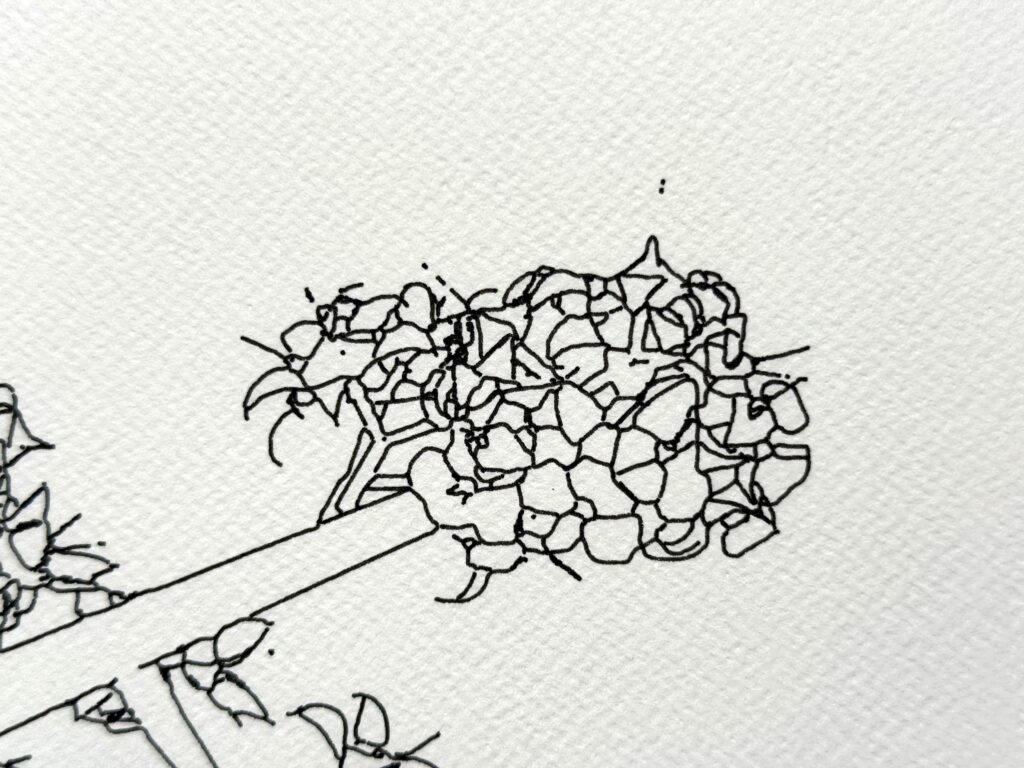
I have been doing some pen plots with Micron pens using an iDraw pen plotter. I performed some tests to help me select a paper that has great pen quality and performs well for my style of water color. Each pen plot was the same image with the same plotter settings and used a brand new Micron pen on a 22×30″ sheet of paper. The cold press papers had a rougher texture while the hot press ones were much smoother. My favorite are the Arches Hot Press papers.
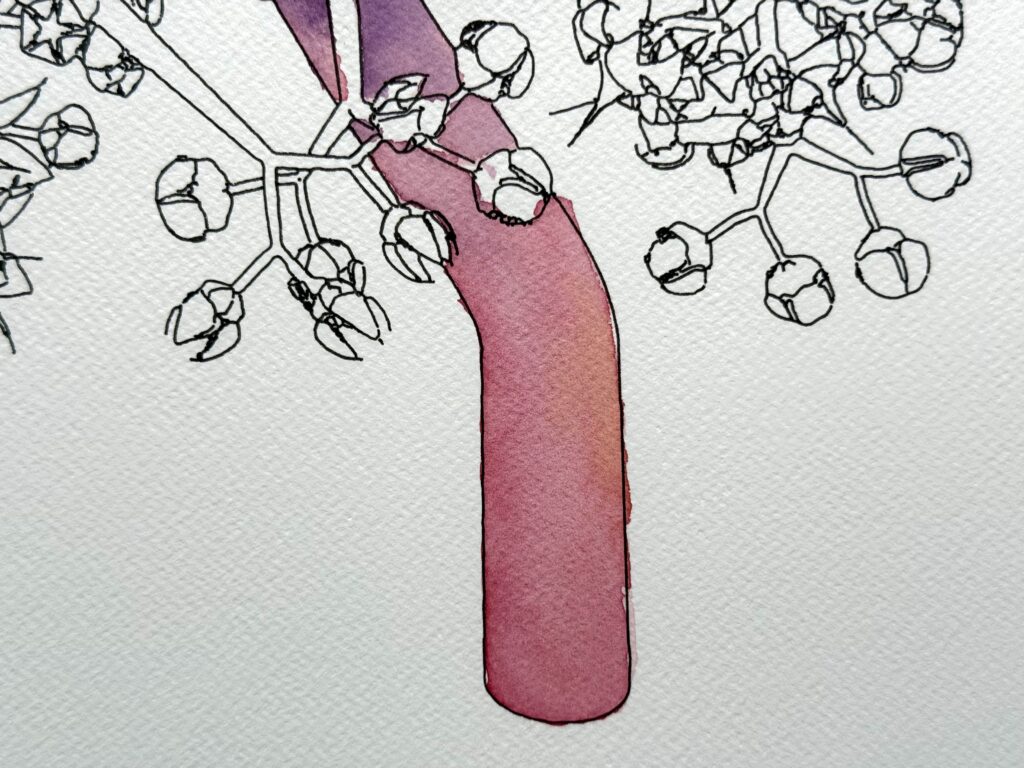
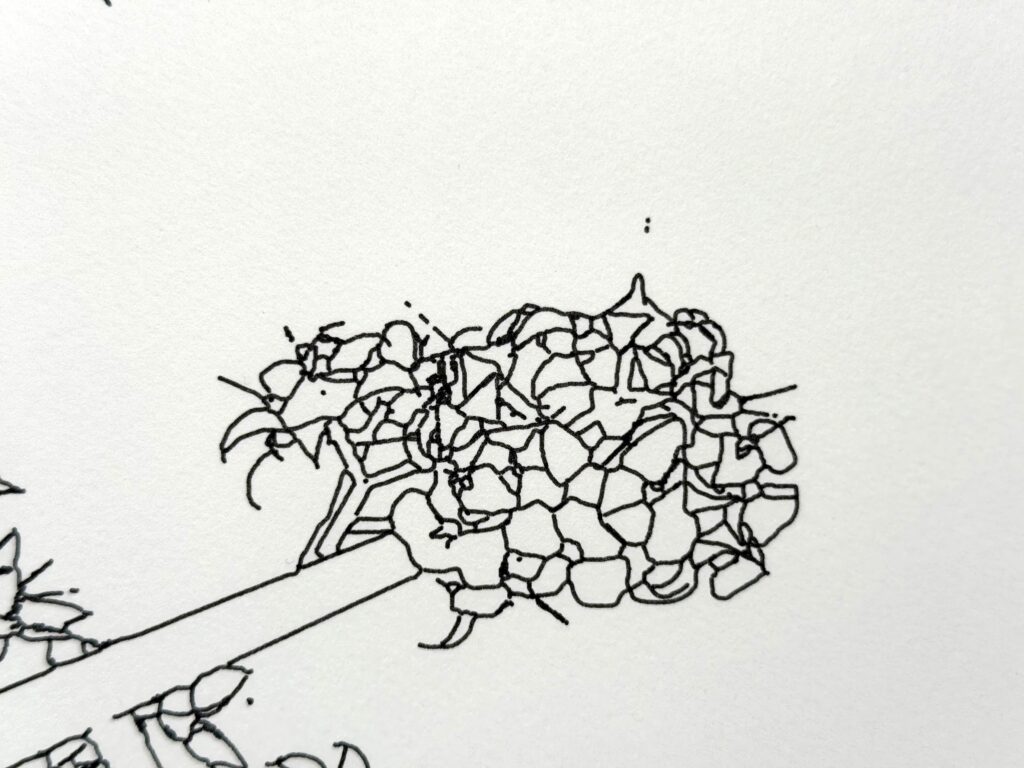
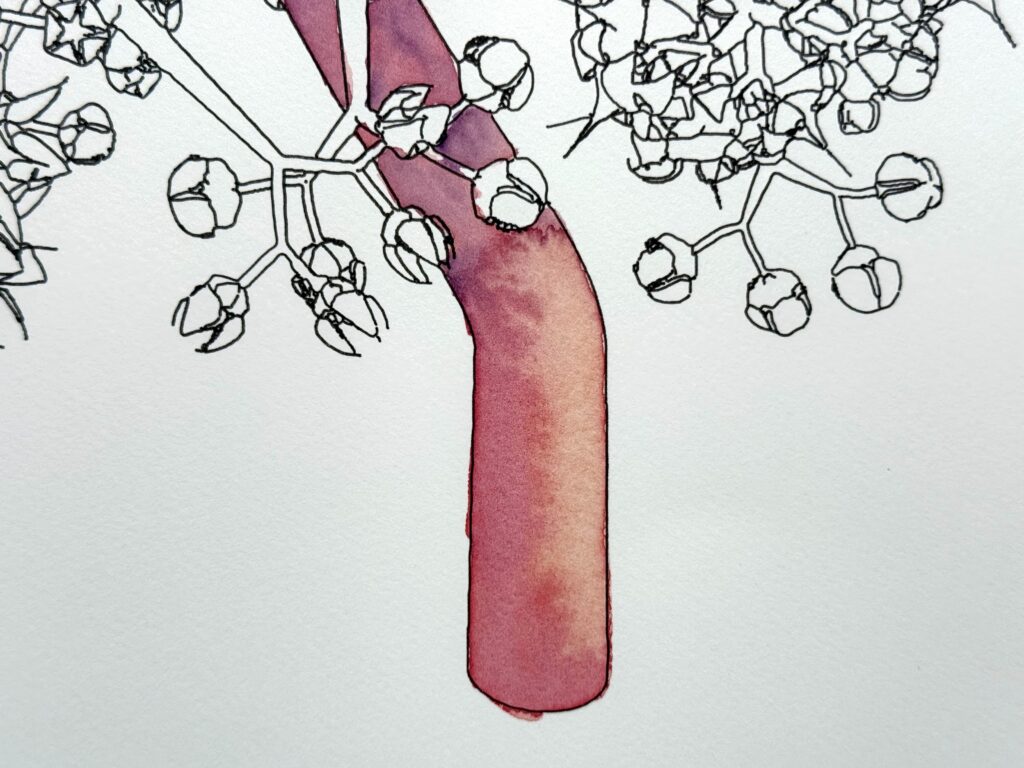
Arches Hot Press 140lb – Micron 02 – Great Pen Quality.Arches Hot Press 140lb – Micron 02 – Slight irregularities towards end of plot, but overall great.Arches Hot Press 140lb – Colors sink in, has nice balance when adding color and retains it. Great.
Arches Hot Press 300lb – Great pen quality. Started painting before I got a picture of just the pen.Arches Hot Press 300lb – Paper is thick, nice and stiff.Arches Hot Press 300lb – Pretty good, doesn’t allow for a lot of wet mixing.
Arches Cold Press 140lb
Arches Cold Press 140lb – Poor pen quality. Didn’t even finish the plot or test watercolor.
Artistico Fabriano Cold Press 140lb
Artistico Fabriano Cold Press 140lb – Micron 03 – Earlier in the pen plot, decent line quality.Artistico Fabriano Cold Press 140lb – Further into plot. The quality of line is poor.Artistico Fabriano Cold Press 140lb – Watercolor quality is nice.
Artistico Fabriano Hot Press 140lb
Artistico Fabriano Hot press 140lb – Pen quality is excellent.Artistico Fabriano Hot press 140lbArtistico Fabriano Hot press 140lb – Did not like this one. Maybe good for layering, but did not retain color well.
Canson Heritage Cold Press 140lb
Canson Heritage Cold Press 140lb – Micron 03 – Pen quality is great.Canson Heritage Cold Press 140lb – Micron 03Canson Heritage Cold Press 140lb – Dimples cause little color pools; water color sits on top of paper. Not very good.
Canson Heritage Hot Press 140lb
Canson Heritage Hot Press 140lb. Micron 03 – Pen Quality ExcellentCanson Heritage Hot Press 140lb. Micron 03 – Pen Quality ExcellentCanson Heritage Hot Press 140lb – Did not hold color well when applying, like painting on tissue paper on tupperware. Not too good.
November 20, 2024 | Posted in Made by Hand | No Comments.
I was gifted an awesome A1 size pen plotter and needed a spot to easily create some artwork. Might as well also store some supplies and have a place to sit at right? I came up with this design that is rather specific to its ultimate resting place; sandwiched between my wife’s desk and mine.
I cut some mortise and tenons for the legs with the help of a table saw and router.
Used just about all of the clamps I had and a soft hammer to help square it up.
Adding the front facing dividers that will help support the boxes / drawers.
For the drawers, I went with a joint that hid the outside connection, as described in this video by James Hamilton. I was trying to use the wood I already had, which resulted in the drawers being made of wood with different thicknesses. So I had to adjust the saw more frequently. Wish I took more work in progress pictures of the boxes 🙁
Added all of the rails for boxes to slide on. The wide opening at the top is for paper to slide into.
The rails are solid pieces of wood for strength. I did some rabbets and dados and grooves and what nots.
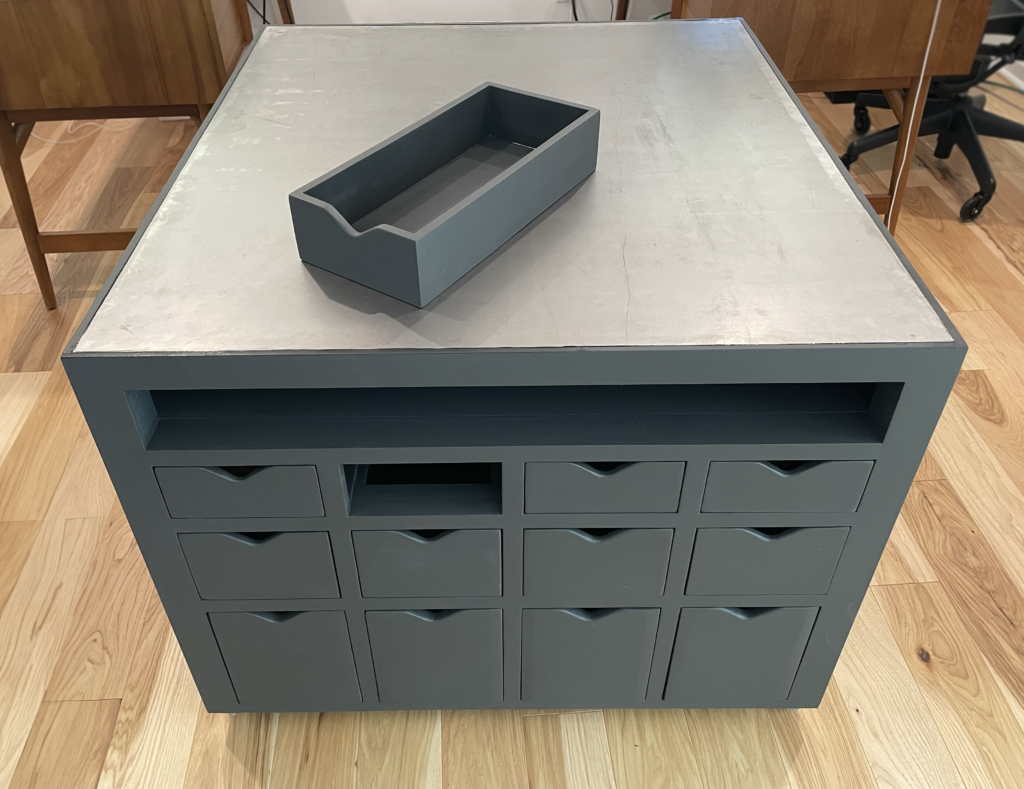
All of the drawers pull out for transporting of supplies, pens, brushes, paints, etc.
Final resting place between our two desks. It has wheels so we can roll it out if needed. The metal top is great for using magnets to hold the paper.
April 9, 2024 | Posted in Made by Hand | No Comments.
My daughters needed stools to brush their teeth. We had trouble finding one that was wide enough for the both of them. My generous neighbor gave me a thick piece of mahogany(?) and I thought it would be perfect for the piece.
The piece was too thick to cut through completely with the table saw. I finished the cut by hand with a pull saw.
Took a while to halve the slab. I couldn’t seem to get all of the dominos out of the board.
I joined the two pieces with some wood glue and a half lap joint to make one longer board for the top.
I cut some of the dovetails on the band saw. And the angled ones by hand.
I made some dados(?) to hold some runners under the top plank.
Glue up after the top dove tails are complete.
Wood pegs were used to help with strength to join the smaller step.
March 3, 2024 | Posted in Made by Hand | No Comments.
A generous neighbor who’s a carpenter gave me some smaller pieces of ipe wood. It was very dense and more difficult to work with than what I am used to. It is very durable and weather resistant; between that and the size of the board, I immediately thought of a penny board.
Trying to make a slight concave on the deck to help with grip. I tried running the board perpendicular along the blade using the white board as a guide. I raised the blade up slowly per pass. It wasn’t as effective as I had hoped on a board of this size.
The belt sander helped smooth things out a bit.
I printed out a guide for cutting and used the band saw to get it close to the edge.
I clamped the belt sander down to use it to get close to the edge.
I drew a pattern on the top with a marker and then dug into it with the Dremel tool.
I bought some Paris trucks for itty bitty boards and some cruising Super Juice wheels. It’s just under 6 inches wide; my toes and heels hang off the edge.